October 22, 2026
Brake systems are critical for ensuring the safety of both drivers and passengers. As the primary mechanism enabling vehicles to stop, any malfunction or inefficiency can be dangerous. Professional brake repair services ensure that vehicles operate optimally, reducing the risk of accidents significantly. Attempting to repair brakes without adequate knowledge and tools may lead to incomplete or incorrect repairs. Therefore, for those who value safety, entrusting brake repair to experts remains the wisest choice.
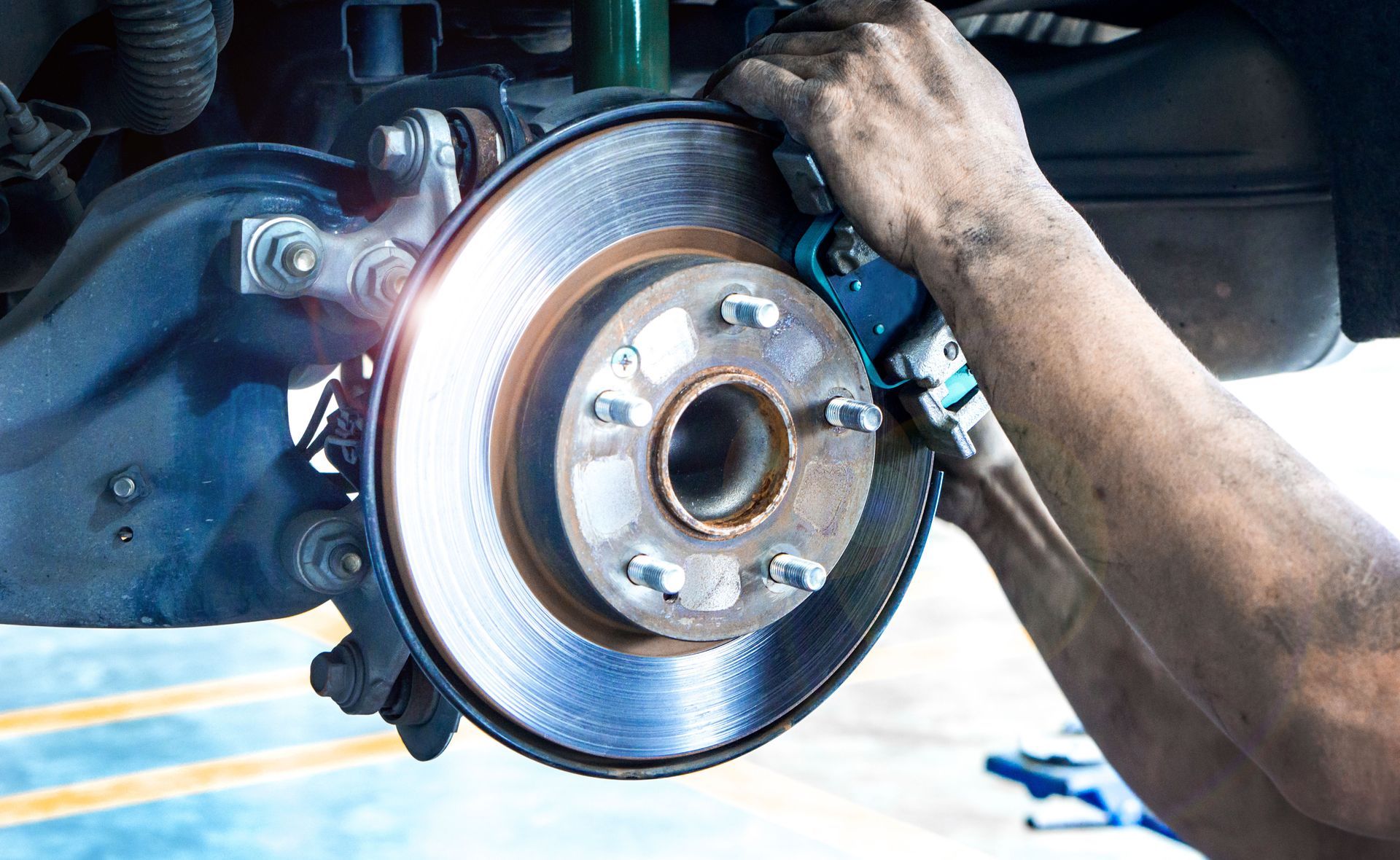
A vehicle's stopping system is an intricate network of mechanical, hydraulic, and electronic components that must operate in complete synchronization. When you press down on the pedal, an intricate sequence of physical actions occurs instantly to slow down several thousand pounds of moving metal. Attempting to service these complex components at home without professional training often introduces unnecessary risks, improper torque settings, and overlooked wear factors that compromise your vehicle's structural safety.
By relying on certified automotive technicians, vehicle owners gain the confidence that every pad, rotor, line, and caliper is functioning according to strict original equipment manufacturer standards. Professional repair centers utilize precise diagnostic equipment, specialized pullers, and calibrated torque wrenches to ensure every service meets rigorous quality controls. Protecting yourself, your passengers, and fellow motorists on the road starts with prioritizing professional care for your vehicle's most essential safety mechanism.
1. Prioritizing Vehicle Safety
When it comes to brake systems, even minor issues can snowball into significant safety hazards. Professional technicians are trained to recognize these potential pitfalls before they manifest into severe problems. Every aspect of the braking system is inspected thoroughly, preventing oversights that untrained individuals easily make. Safety becomes paramount when brakes fail during crucial moments, leading to potentially catastrophic consequences.
Many brake problems are not immediately apparent and require an experienced eye to detect subtle signs of wear. Preventive inspections ensure that issues are addressed before escalating into costly damage. For instance, worn-out brake pads might not make a discernible noise initially, but over time, they severely compromise overall efficiency. Professional inspections help mitigate these risks early on by assessing friction material thickness, rotor runout, and hydraulic pressure dynamics.
Improper DIY repair attempts pose significant risks, often missing critical steps or using incorrect components. Professionals mitigate this danger by adhering to standardized procedures specific to each vehicle model. Utilizing specialized tools and strictly adhering to industry regulations ensures that every brake repair meets the highest safety standards. Certified mechanics also perform comprehensive road tests and system bleeds to verify that no air remains trapped inside hydraulic lines, guaranteeing immediate pedal response during emergency stops.
2. Leveraging Technical Expertise
Technicians undergo rigorous training programs that equip them with comprehensive knowledge of modern brake systems across various vehicle makes and models. Their familiarity with evolving industry practices means they are well-prepared to address complex mechanical needs. This deep understanding far surpasses the limited information available through generalized self-help guides, making certified technicians indispensable when handling intricate vehicle safety hardware.
Years of hands-on experience allow professionals to quickly identify and rectify common and complex issues alike. According to HowStuffWorks, for every 10 pounds of force placed on the brake pedal, 360 pounds of force will be generated at the wheel for squeezing the brake pads. Understanding these intricate hydraulic mechanics requires sophisticated diagnostic skills to differentiate between simple surface wear and underlying systemic failures within master cylinders, proportioning valves, or anti-lock braking modules.
Additionally, professionals continuously update their skills through certificate courses and access to manufacturer-specific technical manuals. Engagement with updated industry knowledge enables technicians to employ cutting-edge techniques and trends. Vehicle owners benefit directly from this collective expertise, receiving accurate diagnostics and highly effective brake repair services tailored precisely to their specific year, make, and model specifications.
3. Maximizing Long-Term Savings
Professional repairs may initially seem costlier than DIY attempts, but they prevent expensive future errors. Allowing qualified technicians to handle complex tasks reduces the likelihood of recurring issues or accidental damage to interconnected vehicle components. Untrained repair attempts often complicate minor issues, leading to severe collateral damage and reduced vehicle lifespan. Skewed caliper installations, cross-threaded bolts, or incorrect grease application can lead to premature rotor warping and expensive assembly replacements.
Addressing issues properly enhances overall system longevity, minimizing repeated visits to the shop. Professionals identify the root cause of a problem and resolve it completely, maximizing the return on your investment. Durable repairs translate to smooth, reliable vehicle operation over extended periods. Regular maintenance by qualified professionals keeps components operating within optimal thermal and friction tolerances, extending the functional life of pads, rotors, and wheel bearings.
Furthermore, professional services offer valuable warranties and guarantees covering both parts and labor. Established auto centers also maintain strong supplier relationships, granting access to high-quality OEM components at competitive prices. These advantages optimize overall maintenance costs while maintaining uncompromised quality for your vehicle's brake repair needs, ensuring you never pay twice to fix an improperly executed initial repair.
4. Optimizing Time Efficiency
Speedy and accurate diagnostics are essential for minimizing vehicle downtime. Professional diagnostic equipment allows technicians to identify issues swiftly, eliminating the frustrating guesswork associated with DIY troubleshooting. Efficient problem identification leads directly to expedited repair services, getting your vehicle back on the road safely and quickly without requiring you to spend your entire weekend performing mechanical labor in your driveway.
Streamlined repair processes and familiarity with specific vehicle models contribute to significantly shorter service times. Instead of spending hours deciphering complex mechanical guides, professional skill sets expedite practical solutions. Delegating these tasks saves valuable personal time and eliminates the hassle of sourcing specialized tools, disposing of toxic brake fluid, and managing complex mechanical logistics on your own.
Professional repair facilities also provide flexible scheduling and structured workflows designed to manage service volume efficiently. From parts procurement to final testing, technicians handle every step seamlessly. This comprehensive approach delivers a user-friendly, stress-free experience that preserves your time and busy schedule, offering convenient shuttle services or loaner vehicles to keep your daily routines completely uninterrupted.
5. Utilizing Advanced Equipment
Effective brake repair depends heavily on sophisticated diagnostic tools capable of detailed technical assessments. Advanced equipment detects underlying electronic and mechanical issues that generic home tools consistently miss. Access to cutting-edge technology allows technicians to execute repairs with maximum precision and minimal risk of error, including electronic parking brake retractors and digital rotor micrometer measuring instruments.
Each vehicle model features unique braking architecture requiring specialized tools for proper maintenance. Professionals possess these specialized tools, ensuring complete compatibility during repair interventions. Industrial-grade machinery enables exact adjustments and alignments that are essential for optimal braking performance, preventing uneven pad wear, steering wheel shudder, and noisy squealing during actuation.
Using specialized equipment ensures that repairs adhere to stringent manufacturer specifications, providing a longer-lasting outcome. Technicians combine ongoing training with industrial-grade tools to deliver durable solutions that resist premature wear. Entrusting your brake repair to equipped specialists guarantees reliability, superior performance, and total peace of mind on every drive.
Entrusting brake repairs to specialists is an investment in quality and safety. Professionals bring unparalleled expertise, ensuring vehicle systems function optimally and securely. With the capacity to avert potential hazards and protect valuable systems, professional repairs remain indispensable. Surrendering complex repair tasks to trained professionals not only safeguards safety but also preserves performance. For more information about the services that we offer, reach out to our incredible team at ALMAR Auto Repair today!